Engineering Knowledge

Practical Manufacturing Guides

Understand machining, EDM and tooling decisions before speaking to our team. Guidance is general; each engineering requirement needs a project-specific review.

01 / ENGINEERING GUIDE

Wire Erosion vs CNC Milling: Which Process Fits?

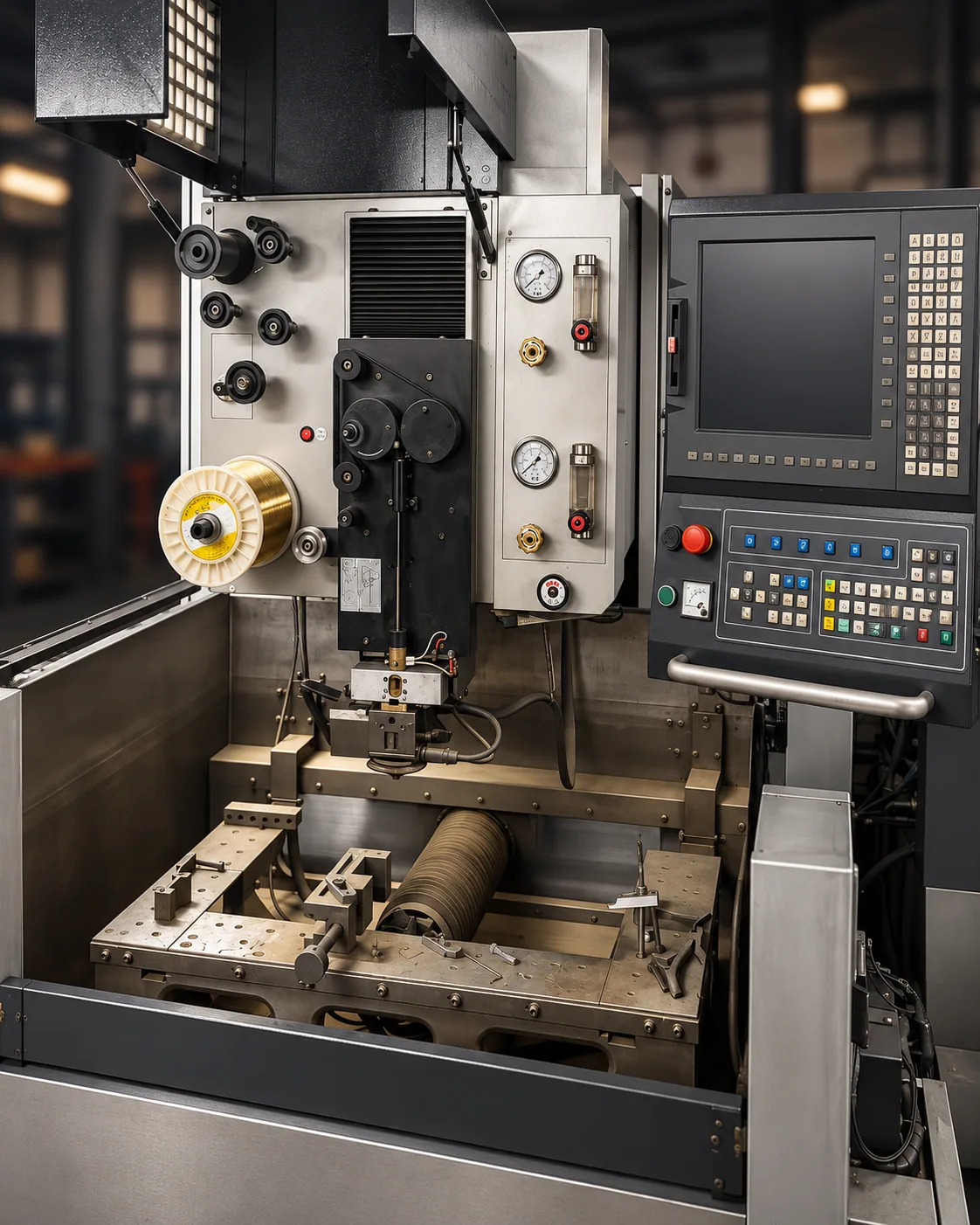
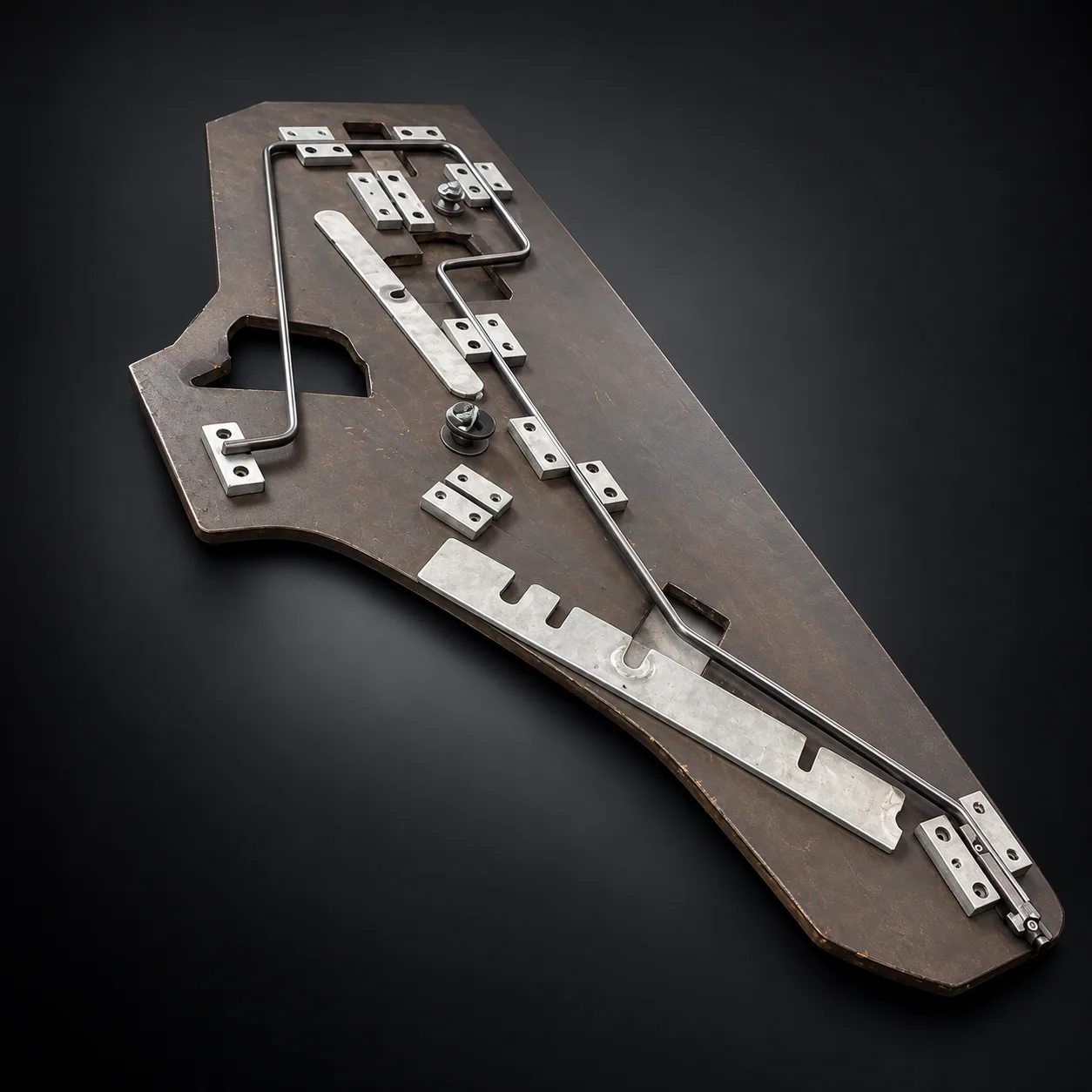
CNC milling cuts material with a rotating tool, making it suitable for a broad range of shapes, pockets and machined surfaces. Wire erosion uses electrical discharges along a wire to cut electrically conductive materials, allowing fine profiles and internal detail when a suitable starting hole is available.

The right choice depends on the component geometry, material, tolerance, finish and production quantity. Detailed dies and specialist tooling may benefit from wire EDM; many other parts are more efficiently produced using milling, or a combination of both.

Explore the related service
02 / ENGINEERING GUIDE

When Does Spark Erosion Make Sense?

Spark erosion, or die-sinking EDM, shapes conductive material using an electrode and controlled electrical discharges. It can be useful for tooling cavities, intricate detail and shapes that may be difficult to produce with conventional cutters.

It is not automatically better or faster than milling. Electrode requirements, surface finish, material and accuracy all affect the choice. MODLIT can assess spark erosion as part of a combined toolmaking project.

Explore the related service
03 / ENGINEERING GUIDE

Why In-House Toolmaking Matters for Production

A manufactured pressing often depends on a reliable tool, jig or fixture. Keeping toolmaking close to the production team can simplify communication between design, machining and manufacture.

MODLIT combines SolidWorks CAD, machining, erosion, grinding, presswork and welding. That joined-up capability helps the team consider the complete job, from initial sample or drawing to repeat production.

Explore the related service
04 / ENGINEERING GUIDE

How to Brief a Precision Engineering Supplier

A useful enquiry includes a drawing or clear photographs, quantities, material preferences, intended use, any critical tolerances and the target delivery date. If the original drawing is unavailable, an existing sample may help establish the requirement.

For replacement machinery components, explain whether the equipment is currently stopped. For larger batches, include expected repeat demand. MODLIT welcomes enquiries throughout the UK.

Explore the related service

Have a drawing or component to discuss?